Sale!

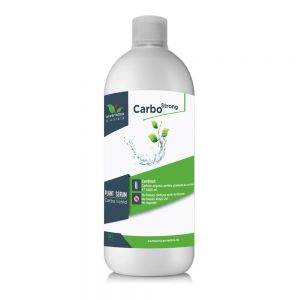
- Quick View
- Selectează opțiunile Acest produs are mai multe variații. Opțiunile pot fi alese în pagina produsului.
Sale!
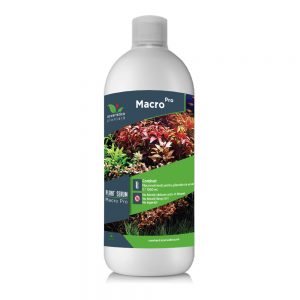
- Quick View
- Selectează opțiunile Acest produs are mai multe variații. Opțiunile pot fi alese în pagina produsului.
Sale!

- Quick View
- Selectează opțiunile Acest produs are mai multe variații. Opțiunile pot fi alese în pagina produsului.
 Trustindex verifică că sursa originală a recenziei este Google.
 Adrian Cezar Veligura2023-06-01Mulțumesc Mihai Gabriel Istratie pentru plantele și sfaturile pe care mi le-ai dat! Multumesc Mihai Gabriel Istratie pentru ca ai făcut un brand din Plant Serum! Mulțumesc!Trustindex verifică că sursa originală a recenziei este Google.vlad rad2023-05-30Super calitate la preturi corecte!Trustindex verifică că sursa originală a recenziei este Google.MUNTEANU SABIANCA2023-05-29Sunt foarte mulțumită de produsele Plant Serum. Recomand cu încredere, calitate superioara!Trustindex verifică că sursa originală a recenziei este Google.R. S.2023-05-29Recomand, in materie de fertilizanti acvariu sunt cei mai buni pe piata! Ofera si consiliere pentru cei incepatori.Trustindex verifică că sursa originală a recenziei este Google.Ciprian Chiriac2023-05-28Fertilizare de primă clasă și plante crescute cu dragoste! recomand cu mare căldură!Trustindex verifică că sursa originală a recenziei este Google.Aurel Radu2023-05-28Recomand cu încredere acvariștilor folosirea liniei de aditivi Plant Serum.Trustindex verifică că sursa originală a recenziei este Google.Andrei Duta2023-05-28Produse bune, folosesc Plant Serum de câțiva ani in acvariul de 200l din poză și de câteva luni în acvariul de 30l și sunt foarte mulțumit. Iar omul e enciclopedie, te ajută cu sfaturi, tot ce trebuie. Recomand 100%.Trustindex verifică că sursa originală a recenziei este Google.Silviu Man2023-05-28Remarcabil este pasiunea cu care faci acvaristica. Restul … știi cum e, vine la pachet! Felicitări!Trustindex verifică că sursa originală a recenziei este Google.Catalin Popa2023-05-28Un profesionist în ceea ce face. Recomand.Trustindex verifică că sursa originală a recenziei este Google.Alina Ali2023-05-28Recomand Plant Serum! Foarte multumita de produse!